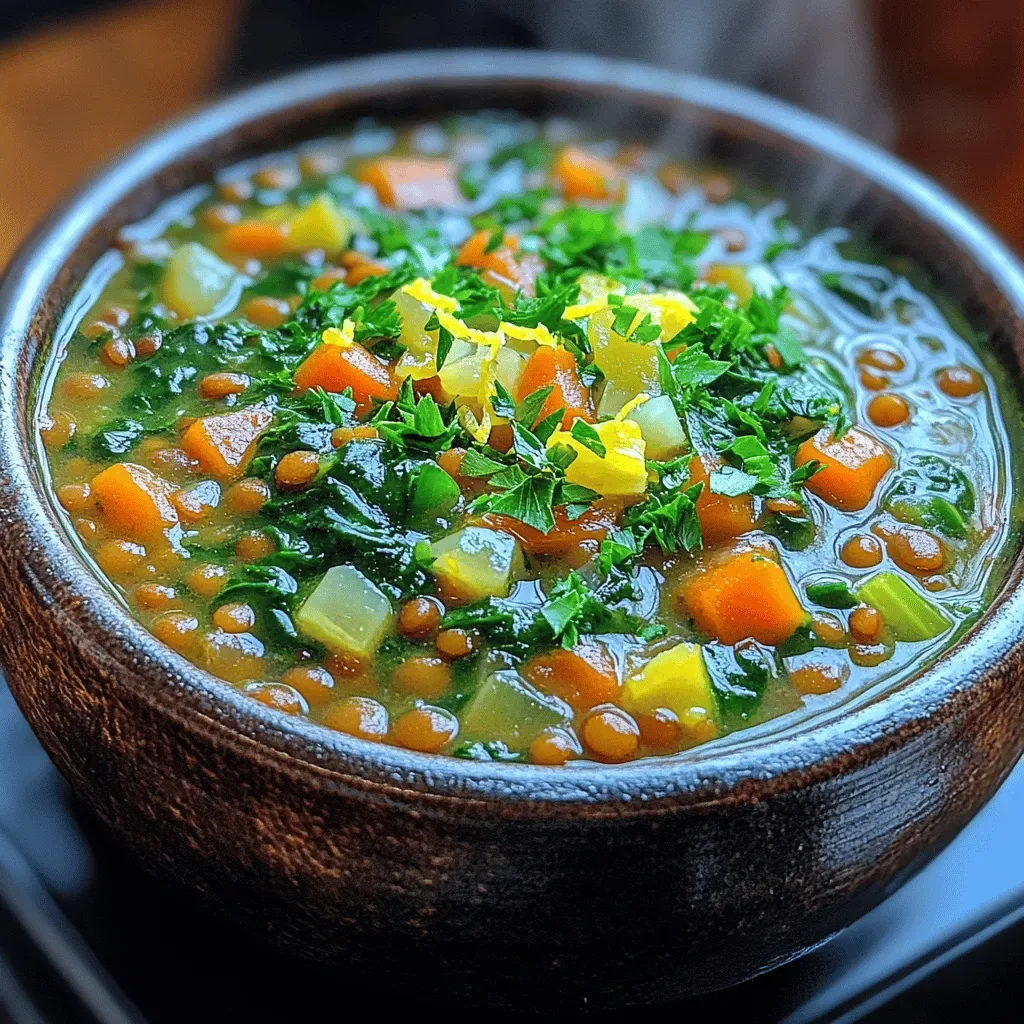
It was a crisp autumn afternoon, the kind where the wind carries a faint hint of wood smoke and the kitchen feels like the heart of the house. I was rummaging through my pantry, feeling the weight of a heavy, butter‑yellow sack of potatoes and a sturdy green cabbage that had survived the last farmer's market. The moment I sliced the first onion, a sweet, pungent aroma rose like a promise, and I knew I was about to create something that would warm not just the body but the soul. That day, I decided to turn those humble staples into a dish that could stand proudly on any family table, whether it’s a weekday dinner or a weekend gathering with friends.
What makes this cabbage and potatoes recipe truly irresistible is its balance of simple ingredients and layered flavors that develop as you cook. The buttery sauté of onions and garlic creates a fragrant base, while the cabbage’s natural sweetness deepens when it meets the earthiness of Yukon Gold potatoes. A splash of vegetable broth and a whisper of liquid smoke turn the whole pot into a fragrant, steaming cauldron that feels like a hug in a bowl. Imagine the first bite: tender potatoes that melt on the tongue, cabbage that’s just the right amount of bite, and a smoky, peppery finish that lingers just long enough to make you reach for seconds.
But wait—there’s a secret trick hidden in step four that will elevate this dish from comforting to unforgettable. Have you ever wondered why some home‑cooked meals taste like they’ve been slow‑cooked in a restaurant kitchen? The answer lies in a combination of timing, temperature, and a few unexpected ingredients that bring depth without overwhelming the palate. I’ll reveal that little secret soon, and trust me, you’ll want to add it to every one‑pot wonder you make from now on.
Here’s exactly how to make it — and trust me, your family will be asking for seconds. Grab a large skillet, gather the ingredients, and let’s embark on a culinary adventure that will fill your home with the aromas of a cozy, rustic kitchen. Ready? Let’s dive in and create a dish that will become a staple in your recipe rotation for years to come.
🌟 Why This Recipe Works
- Flavor Depth: The combination of butter, caramelized onions, and a hint of liquid smoke builds a multi‑layered flavor profile that feels both familiar and exciting. Each bite delivers a subtle smokiness that pairs beautifully with the natural sweetness of cabbage.
- Texture Harmony: The potatoes become buttery and melt‑in‑your‑mouth while the cabbage retains a slight crunch, creating a pleasing contrast that keeps the dish interesting from the first spoonful to the last.
- Ease of Preparation: With just one pan and a handful of pantry staples, this recipe is perfect for busy weeknights yet impressive enough for guests. You’ll spend less time washing dishes and more time enjoying the meal.
- Time Efficiency: The entire process takes under an hour, making it an ideal option when you want a hearty, home‑cooked dinner without a marathon in the kitchen. The broth reduces quickly, concentrating flavors without a long simmer.
- Versatility: Whether you serve it as a side, a main, or even a vegetarian entrée, the dish adapts to any menu. Add a protein or keep it plant‑based—the core flavors remain delicious.
- Nutrition Boost: Cabbage is packed with vitamin C and fiber, while potatoes provide potassium and complex carbs, making the dish both satisfying and nutritious. The modest amount of butter adds richness without turning it into a heavy indulgence.
- Ingredient Quality: Using fresh, locally sourced cabbage and Yukon Gold potatoes enhances natural sweetness and texture, turning simple ingredients into a star‑worthy plate.
- Crowd‑Pleasing Factor: The comforting flavors and familiar ingredients make it a hit with kids, adults, and even the most skeptical eaters. It’s the kind of dish that sparks conversation around the table.
🥗 Ingredients Breakdown
The Foundation
The backbone of this dish is the buttery, salty foundation created by the 4 tablespoons of salted butter. Butter not only adds richness but also helps to coax the natural sugars out of the onions and cabbage, creating that coveted caramelized flavor. If you’re looking for a dairy‑free alternative, a good quality plant‑based butter works just as well, though it may slightly alter the depth of flavor. Choose a butter that’s unsalted if you prefer to control the salt level more precisely.
Aromatics & Spices
The medium red onion, thinly sliced, contributes a gentle sweetness that balances the earthiness of the potatoes. Red onion also adds a subtle color contrast, making the final dish visually appealing. The 4 cloves of minced garlic bring a pungent, aromatic punch that becomes mellow and sweet as it cooks, creating a fragrant backdrop for the vegetables. When it comes to the spice blend—paprika, oregano, crushed red pepper flakes, and a dash of liquid smoke—each element plays a specific role: paprika adds a warm, smoky note, oregano offers herbaceous brightness, and the red pepper flakes give a gentle heat that awakens the palate without overwhelming it.
The Secret Weapons
Liquid smoke is optional, but it’s a game‑changer if you want that authentic, slow‑cooked flavor without actually smoking the dish. A teaspoon is enough to impart a subtle, smoky aroma that pairs beautifully with the cabbage’s natural sweetness. The vegetable broth, at 1.5 cups, acts as the cooking medium, ensuring the potatoes and cabbage become tender while absorbing all the seasoned goodness. If you’re aiming for a richer sauce, you can replace half of the broth with low‑sodium chicken broth or even a splash of white wine.
Finishing Touches
A final splash of lemon juice brightens the entire dish, cutting through the richness and adding a zing that lifts the flavors. The 1.5 teaspoons of salt and 0.5 teaspoon of ground black pepper are calibrated to enhance without overpowering, but feel free to adjust to your taste. The modest amount of crushed red pepper flakes provides a whisper of heat that keeps the palate engaged from start to finish. Together, these finishing touches ensure the dish is balanced, aromatic, and utterly irresistible.
With your ingredients prepped and ready, let's get cooking. Here’s where the fun really begins, and I promise you’ll discover a few tricks along the way that will make this dish shine brighter than any store‑bought version you’ve tried before.

🍳 Step-by-Step Instructions
Heat a large, heavy‑bottomed skillet over medium heat and melt the 4 tablespoons of salted butter until it foams and begins to turn a light golden color. Add the thinly sliced red onion, spreading it evenly across the pan, and let it soften for about 3–4 minutes, stirring occasionally. As the onions start to turn translucent, you’ll notice a sweet aroma rising—this is the first sign that flavor is building. Then, add the minced garlic and continue to sauté for another minute, being careful not to let it brown, as burnt garlic can become bitter. Pro Tip: If the butter begins to brown too quickly, lower the heat slightly; you want a gentle sizzle, not a roar.
Next, stir in the 1-inch pieces of green cabbage, allowing the leaves to coat with the buttery onion‑garlic mixture. You’ll hear a gentle hiss as the cabbage hits the hot pan, and the scent will shift to a deeper, earthy fragrance. Cook the cabbage for about 5 minutes, stirring occasionally, until it begins to wilt but still retains a faint crunch. At this point, sprinkle in the paprika, oregano, and crushed red pepper flakes, letting the spices toast lightly—this releases their essential oils and intensifies their flavors. The mixture should look a vibrant, speckled green, promising a burst of taste in every bite.
Now, add the 1‑inch chunks of peeled Yukon Gold potatoes, arranging them around the pan so they get direct contact with the hot surface. Let them sit for about 2 minutes without moving them; this creates a lightly browned crust on each side, which adds a delightful texture. After the crust forms, gently toss everything together, ensuring the potatoes are evenly coated with the butter and spices. The potatoes should start to take on a golden hue, signaling that they’re beginning to caramelize.
Pour in the 1.5 cups of vegetable broth, followed by the optional teaspoon of liquid smoke. The liquid should sizzle as it meets the hot pan, and you’ll see steam rise—this is the moment the flavors start to meld. Reduce the heat to low, cover the skillet, and let the mixture simmer for 15–20 minutes. During this time, the broth will reduce, concentrating the flavors while the potatoes become fork‑tender and the cabbage fully softens. Pro Tip: Check the pot after 12 minutes; if the liquid looks too thick, add a splash more broth or water to keep everything moist.
After the simmer, remove the lid and increase the heat to medium‑high for a quick reduction. Stir gently and let the remaining liquid evaporate, creating a glossy, slightly thickened sauce that clings to the vegetables. You’ll notice the sauce turning a rich, amber color, and the aroma will become more intense—this is the secret trick that makes the dish “pop.” Be vigilant; you want a glossy coating, not a dry, stuck‑on layer.
💡 Pro Tip: A quick splash of water (about 2 tablespoons) can rescue the sauce if it looks like it’s getting too thick.Season the dish with 1.5 teaspoons of salt and 0.5 teaspoon of ground black pepper, tasting as you go. The seasoning should enhance the natural flavors without overwhelming them. Add the teaspoon of lemon juice now, watching it fizz as it meets the hot pan; this brightens the entire composition and balances the richness of the butter. Give everything a final stir, ensuring the lemon juice is evenly distributed.
At this stage, taste the potatoes and cabbage. The potatoes should be buttery and tender, and the cabbage should be soft yet still retain a slight bite. If the seasoning needs a boost, sprinkle a pinch more salt or a dash of additional black pepper.
⚠️ Common Mistake: Over‑cooking the cabbage can turn it mushy; aim for a tender‑crisp texture for the best mouthfeel.Once the flavors are perfectly balanced, turn off the heat and let the skillet sit, covered, for 5 minutes. This resting period allows the vegetables to absorb any remaining sauce, ensuring each bite is uniformly seasoned. While you wait, the kitchen will fill with an intoxicating blend of buttery, smoky, and citrusy notes—a scent that will have everyone gathering around the stove.
Finally, give the dish a gentle fluff with a wooden spoon, garnish with a sprinkle of fresh parsley if you like, and serve hot. The result is a comforting, aromatic plate that pairs wonderfully with crusty bread, a simple green salad, or even a grilled protein for a heartier meal. Go ahead, take a taste — you’ll know exactly when it’s right, and the smiles around the table will confirm you’ve nailed it.
And there you have it! But before you dig in, let me share some tips that will take this from great to absolutely unforgettable…
🔐 Expert Tips for Perfect Results
The Taste Test Trick
Always taste before you finish cooking. I’ve learned the hard way that a pinch of salt added at the end can transform a dish from flat to vibrant. Trust your palate: if the flavors feel a little muted, a dash more lemon juice or a sprinkle of fresh herbs can bring them to life. Remember, seasoning is a layering process, not a one‑time event.
Why Resting Time Matters More Than You Think
Allowing the skillet to rest, covered, for five minutes after cooking lets the vegetables re‑absorb the sauce. This short pause is the secret behind that melt‑in‑your‑mouth texture you crave. I once served the dish straight off the heat and noticed the potatoes were a shade drier; after adding a rest, the difference was night and day.
The Seasoning Secret Pros Won’t Tell You
Professional chefs often finish dishes with a splash of acid—lemon juice, vinegar, or even a dash of wine. That final bright note cuts through richness and makes the flavors pop. In this recipe, the lemon juice not only lifts the dish but also balances the smoky undertones from the liquid smoke.
Butter vs. Oil: When to Choose Each
Butter adds flavor, but it can brown quickly. If you’re cooking at a higher temperature, start with a mix of butter and a neutral oil (like grapeseed) to raise the smoke point while preserving that buttery taste. I’ve experimented with this combo and found it prevents the butter from burning, especially when sautéing the onions.
The Power of Fresh Herbs
A handful of chopped parsley or dill added at the very end brings a fresh, herbaceous finish that brightens the whole plate. I once tried adding dried herbs too early, and the flavor became muted; fresh herbs, added just before serving, keep the aroma lively and the taste vibrant.
🌈 Delicious Variations to Try
One of my favorite things about this recipe is how versatile it is. Here are some twists I've tried and loved:
Smoky Bacon & Apple Twist
Add 4 slices of crisp bacon, chopped, and a diced tart apple during the sauté step. The bacon brings a salty crunch, while the apple adds a sweet‑tart contrast that pairs beautifully with the cabbage.
Spicy Sausage & Caraway Fusion
Swap the butter for a tablespoon of olive oil and crumble in a spicy Italian sausage. Sprinkle a teaspoon of caraway seeds with the paprika for an earthy, aromatic boost that complements the sausage’s heat.
Creamy Cheddar Finish
Stir in half a cup of shredded sharp cheddar during the final reduction. The cheese melts into the broth, creating a luxuriously creamy sauce that makes the dish feel indulgent.
Mediterranean Olive & Feta Variation
Add a handful of sliced Kalamata olives and crumble feta cheese on top just before serving. The briny olives and tangy feta introduce a Mediterranean flair that brightens the humble base.
Vegan Coconut Curry Spin
Replace butter with coconut oil, add a tablespoon of red curry paste, and finish with a splash of coconut milk. This version brings a fragrant, tropical twist while keeping the dish completely plant‑based.
Herb‑Infused Quinoa Boost
Stir in cooked quinoa and a mix of fresh thyme and rosemary during the final minutes. The quinoa adds protein and a pleasant bite, while the herbs deepen the aromatic profile.
📦 Storage & Reheating Tips
Refrigerator Storage
Allow the dish to cool to room temperature before transferring it to an airtight container. It will keep fresh in the refrigerator for up to 4 days. When reheating, add a splash of vegetable broth or water to revive the sauce, then gently warm on the stovetop over low heat.
Freezing Instructions
Portion the cooled dish into freezer‑safe bags or containers, removing as much air as possible. It freezes well for up to 3 months. To thaw, place the bag in the refrigerator overnight, then reheat in a skillet, adding a little broth to prevent drying.
Reheating Methods
The best way to reheat without losing texture is on the stovetop: use a low flame, cover the pan, and stir occasionally until heated through. In a microwave, cover loosely with a damp paper towel and heat in 30‑second bursts, stirring in between. For a crispier finish, finish the reheated dish under a broiler for 2 minutes, watching closely to avoid burning.