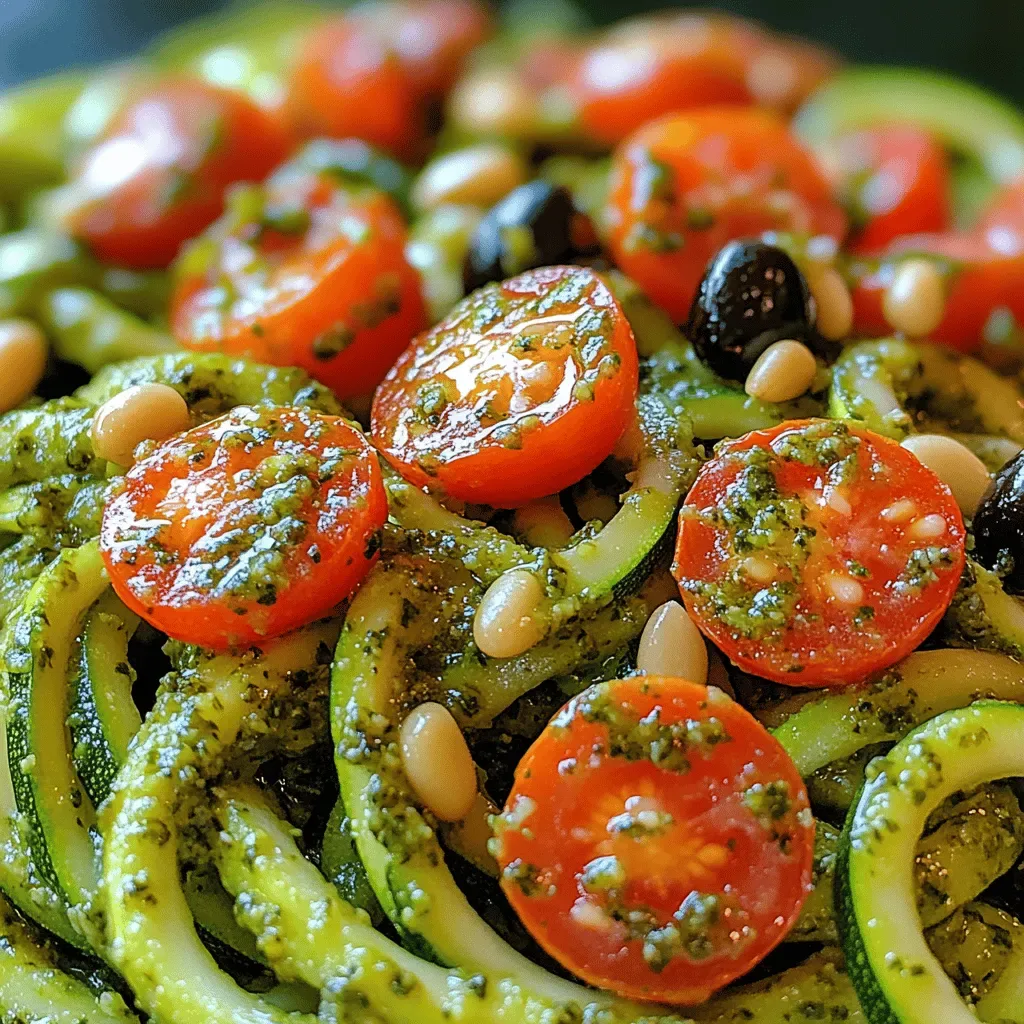
I still remember the first time I tried to bring a slice of the Mediterranean into my tiny city‑side kitchen. It was a breezy Saturday afternoon, the kind where the sunlight pours through the curtains and makes the whole room feel like a sun‑drenched terrace in Santorini. I had a skillet waiting on the stove, a handful of fresh herbs, and a craving for something that smelled like sea breezes, lemon groves, and the comforting hum of a family dinner. The moment I lifted the lid on the pan, a cloud of fragrant steam rose, carrying the scent of garlic, oregano, and sizzling chicken – it was as if the whole Greek island had decided to visit my countertop.
What makes this Greek Skillet Chicken and Potatoes truly special is its simplicity married to bold, layered flavors that seem to dance on the palate. The baby potatoes become tender on the inside while their edges turn golden and crisp, creating a texture contrast that feels like a hug from a loved one. The cherry tomatoes burst with juicy sweetness, the Kalamata olives add a briny punch, and the feta crumbles in at the very end, melting just enough to coat everything in a creamy, salty veil. And let’s not forget the lemon – a bright, zesty finish that cuts through the richness and makes each bite sing.
But here's the thing: there’s a secret trick hidden in step four that transforms this dish from good to unforgettable. Have you ever wondered why restaurant versions of Greek chicken taste so much deeper? The answer lies in a tiny, often overlooked step that builds flavor in the background, and I’m going to reveal it soon. Trust me, once you master that, you’ll have a go‑to recipe that will have friends asking for the exact details.
Now, imagine serving this sizzling skillet straight from the pan, the colors vibrant, the aromas swirling, and the first bite delivering a perfect balance of herbaceous, tangy, and comforting flavors. Your family will gather around, the kids will reach for seconds, and you’ll feel that warm glow of pride that only a well‑executed home‑cooked meal can bring. Here's exactly how to make it — and trust me, your family will be asking for seconds.
🌟 Why This Recipe Works
- Flavor Depth: The combination of garlic powder, oregano, and paprika creates a complex spice base that penetrates the chicken and potatoes, ensuring every bite is packed with Mediterranean goodness.
- Texture Harmony: Baby potatoes develop a crisp exterior while staying fluffy inside, and the chicken stays juicy thanks to the quick sear followed by gentle baking.
- Ease of Execution: Everything cooks in one skillet, meaning fewer dishes, less cleanup, and more time to enjoy the meal with loved ones.
- Time Efficiency: With only 15 minutes of prep and 30 minutes of cooking, you can have a restaurant‑quality dinner on the table in under an hour.
- Versatility: This dish can easily be adapted for gluten‑free, low‑carb, or even vegetarian versions without losing its soul‑satisfying character.
- Nutrition Boost: The inclusion of olives and feta adds healthy fats, while the potatoes provide comforting carbs, making it a balanced, satisfying meal.
- Ingredient Quality: By using fresh, high‑quality olive oil and authentic Kalamata olives, you elevate the entire dish, turning simple pantry staples into a gourmet experience.
- Crowd‑Pleaser Factor: The bright colors and aromatic profile make this a visual and olfactory centerpiece that draws everyone to the table.
🥗 Ingredients Breakdown
The Foundation: Potatoes & Olive Oil
Baby potatoes are the heart of this skillet, providing a starchy canvas that soaks up the aromatic juices. Their thin skins hold a subtle earthiness that, when roasted, turn delightfully crisp on the edges. 2 tablespoons olive oil acts as the golden conduit, ensuring every surface gets a glossy, caramelized finish while adding that quintessential Mediterranean richness. If you’re looking for a substitute, a high‑quality grapeseed oil works, but you’ll miss the fruity undertones that olive oil brings.
Aromatics & Spices: The Flavor Builders
The spice blend of 1 teaspoon garlic powder, 1 teaspoon dried oregano, 1 teaspoon paprika, and a pinch of 1/2 teaspoon black pepper creates a fragrant trifecta that mimics the sun‑kissed hills of Greece. Garlic powder offers a mellow, evenly distributed heat, while oregano delivers that classic herbaceous note. Paprika adds a subtle smoky depth, and the black pepper provides just enough bite to keep the palate awake. If fresh garlic is your jam, swap the powder for two minced cloves for a more pungent kick.
The Secret Weapons: Tomatoes, Olives & Lemon
1 cup cherry tomatoes burst during cooking, releasing a sweet acidity that balances the richness of the olive oil and chicken. The 1/2 cup Kalamata olives bring a briny, slightly bitter edge that mirrors the sea, while the 1 lemon (zested and juiced) adds a bright citrus spark that lifts the entire dish. A little secret? Lightly zest the lemon before juicing – the zest contains aromatic oils that amplify the lemon’s perfume without adding extra acidity.
Finishing Touches: Feta & Fresh Herbs
1/4 cup feta cheese crumbles over the hot skillet at the very end, melting just enough to create creamy pockets of salty goodness. The 2 tablespoons fresh parsley, chopped, adds a pop of fresh, herbaceous green that brightens the plate. Finally, a dash of 1 teaspoon salt ties everything together, ensuring the flavors are perfectly seasoned. If you’re watching sodium, reduce the salt slightly and let the feta do the heavy lifting.
With your ingredients prepped and ready, let's get cooking. Here's where the fun really begins...

🍳 Step-by-Step Instructions
Preheat your oven to 400°F (200°C). While the oven warms, pat the 4 boneless chicken pieces dry with paper towels – this step is crucial for a golden crust. In a shallow dish, whisk together 2 tablespoons olive oil, 1 teaspoon garlic powder, 1 teaspoon dried oregano, 1 teaspoon paprika, 1 teaspoon salt, and 1/2 teaspoon black pepper. Toss the chicken in this aromatic mixture until each piece is evenly coated, feeling the oil cling like a silky veil.
Heat a large, oven‑safe skillet over medium‑high heat. Add a drizzle of olive oil, then place the chicken skin‑side down (if using skin) and sear for about 3‑4 minutes, or until the edges turn a deep, caramelized gold. Listen for that satisfying sizzle – it’s the sound of flavor being locked in. Flip the pieces and sear the other side for another 2 minutes, just to develop a crust. But wait until you see the secret trick in step 4...
While the chicken rests, halve the 1 pound baby potatoes and toss them in a bowl with a drizzle of olive oil, a pinch of salt, and a sprinkle of the remaining paprika. Spread the potatoes around the chicken in the skillet, ensuring they’re in a single layer. This arrangement allows the potatoes to roast evenly, absorbing the chicken juices as they cook.
Now for the secret: sprinkle the 1 cup cherry tomatoes and 1/2 cup Kalamata olives over the top, then drizzle the remaining olive oil mixture from the bowl over everything. The tomatoes will burst, releasing sweet juices, while the olives add a briny pop that balances the richness. Pop the skillet into the preheated oven and roast for 20‑25 minutes, or until the potatoes are fork‑tender and the chicken reaches an internal temperature of 165°F (74°C). The aroma at this point will be intoxicating – think sun‑drenched vineyards and sea breezes.
When the timer dings, remove the skillet and immediately sprinkle the 1/4 cup feta cheese over the hot ingredients. The residual heat will gently melt the feta, creating creamy pockets that cling to the potatoes and chicken. Finish with a generous handful of 2 tablespoons fresh parsley, chopped, and the zest of 1 lemon. The lemon zest releases aromatic oils that brighten the entire dish.
Give everything a gentle toss, allowing the feta, parsley, and lemon juice to coat each piece. Taste and adjust seasoning with a pinch more salt or a drizzle of extra‑virgin olive oil if you desire a richer mouthfeel. This is the moment where the flavors meld together, and you’ll notice the harmony between the tangy lemon, salty feta, and the savory chicken‑potato base.
Serve the skillet straight from the pan, letting the sizzling sounds and aromatic steam draw everyone to the table. Pair it with a crisp Greek salad or a simple cucumber‑yogurt dip for a complete Mediterranean experience. Go ahead, take a taste — you’ll know exactly when it’s right. And remember, the secret trick in step four is what makes the potatoes absorb that gorgeous, caramelized broth, turning an ordinary side into a star.
And there you have it! But before you dig in, let me share some tips that will take this from great to absolutely unforgettable...
🔐 Expert Tips for Perfect Results
The Taste Test Trick
Before you pop the skillet into the oven, pause and give the seasoning mixture a quick taste. A tiny pinch on the back of your hand can reveal whether you need a dash more salt or a splash of lemon juice. This small step prevents any surprise under‑seasoning and ensures every bite is perfectly balanced. Trust me, a well‑seasoned base makes the final dish sing.
Why Resting Time Matters More Than You Think
Once the skillet is out of the oven, let it rest for five minutes. This rest period allows the juices to redistribute within the chicken and potatoes, preventing them from spilling out when you cut into them. I once served the dish immediately and the juices ran all over the plate – a beautiful mess, but not the presentation I was aiming for. A short pause makes the plating look sleek and the flavors more cohesive.
The Seasoning Secret Pros Won’t Tell You
Professionals often layer their seasoning: they season the chicken, then the potatoes, and finally finish with a finishing salt just before serving. This three‑step approach builds depth at each stage. The finishing sprinkle of flaky sea salt adds a delicate crunch that contrasts the soft feta and tender potatoes. It’s a tiny detail that makes a massive difference.
Choosing the Right Olive Oil
Extra‑virgin olive oil offers a fruity, peppery flavor that complements the herbs and spices. If you’re on a budget, a good quality pure olive oil works, but avoid light or refined versions – they lack the robust taste that defines this dish. A quick sniff of the oil before you start can tell you if it’s fresh; it should smell grassy and slightly peppery.
Balancing Salt and Acidity
The feta and olives already bring saltiness, so be cautious with additional salt. Instead, focus on the bright acidity from the lemon – it lifts the flavors and cuts through the richness of the olive oil. If you’re serving the dish with a side salad, you might want to hold back a little on the lemon juice to avoid over‑acidifying the whole plate.
The Best Way to Reheat
If you have leftovers, reheat them in a skillet over medium heat with a splash of water or broth. This method revives the crispness of the potatoes and prevents the chicken from drying out. I once microwaved leftovers, and the texture turned soggy – a lesson learned the hard way. A quick skillet reheat restores that restaurant‑quality crunch.
🌈 Delicious Variations to Try
One of my favorite things about this recipe is how versatile it is. Here are some twists I've tried and loved:
Mediterranean Veggie Boost
Add sliced zucchini and bell peppers alongside the potatoes for extra color and a slight sweetness. The veggies soak up the same herb‑infused oil, making every bite a rainbow of flavors. This version is perfect for a lighter, veggie‑forward dinner.
Spicy Greek Kick
Stir in a pinch of crushed red pepper flakes with the spice blend for a subtle heat that wakes up the palate. If you love heat, finish with a drizzle of harissa‑infused olive oil just before serving. The heat pairs beautifully with the cooling feta.
Herb‑Infused Chicken
Replace the dried oregano with a mix of fresh thyme and rosemary, finely chopped. Fresh herbs release a brighter, more aromatic profile that transforms the dish into a spring‑time celebration. I love using a handful of fresh herbs for a garden‑fresh vibe.
Creamy Lemon Sauce
After removing the skillet from the oven, stir in a splash of heavy cream and a bit more lemon juice, letting it simmer for a minute. The sauce becomes silky, coating the chicken and potatoes in a luscious lemon‑cream glaze. Serve with a side of crusty bread to soak up the sauce.
Greek‑Inspired Grain Bowl
Serve the cooked chicken, potatoes, and veggies over a bed of quinoa or couscous. The grains add a nutty texture and make the dish suitable for meal‑prep. Top with extra feta and a drizzle of tzatziki for a complete Mediterranean bowl.
Cheesy Crust Upgrade
Sprinkle a thin layer of grated kefalotyri or pecorino cheese over the skillet during the last five minutes of baking. The cheese melts and forms a golden crust that adds an extra layer of umami. This variation is a crowd‑pleaser for cheese lovers.
📦 Storage & Reheating Tips
Refrigerator Storage
Allow the skillet to cool to room temperature before transferring it to an airtight container. Store in the refrigerator for up to 3 days. For best texture, keep the chicken and potatoes separate from the fresh herbs and feta; add those just before reheating.
Freezing Instructions
Portion the cooled dish into freezer‑safe bags or containers, removing the parsley and feta to prevent freezer burn. Freeze for up to 2 months. When ready to use, thaw overnight in the fridge, then follow the reheating steps below for a fresh‑tasting meal.
Reheating Methods
The trick to reheating without drying it out? A splash of chicken broth or water in a skillet over medium heat, covered for the first two minutes, then uncovered to crisp the potatoes. Alternatively, reheat in a 350°F (175°C) oven for 10‑12 minutes, covered with foil, then uncover for the last 3 minutes to restore the golden crust. Microwaving is possible but will sacrifice the delightful texture.