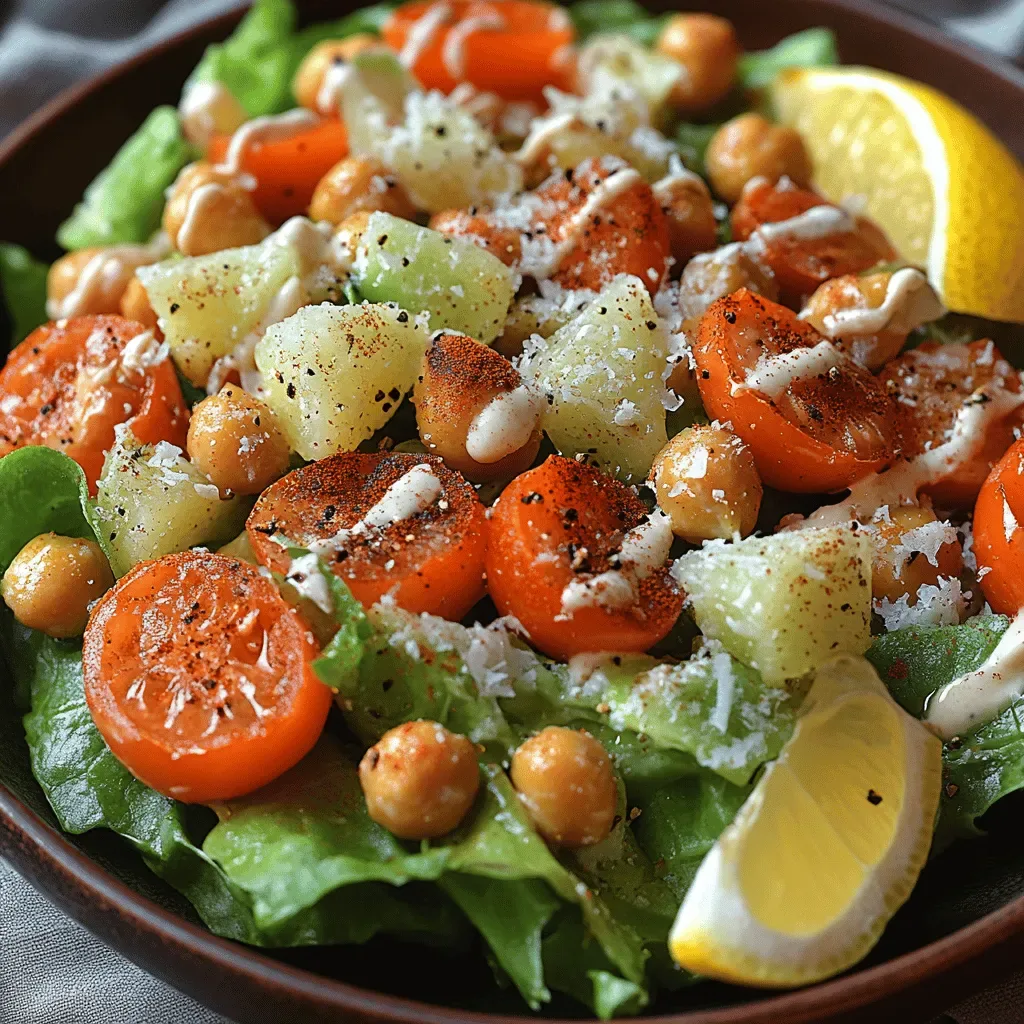
It was a rainy Tuesday afternoon, the kind where the clouds hang low and the kitchen smells like a promise of comfort. I was rummaging through the fridge, sighing at the sight of a half‑cooked rotisserie chicken that had been waiting for a second life since Sunday. The moment I lifted the lid, a cloud of fragrant steam hit me—warm, savory, with hints of rosemary and garlic that seemed to whisper, “You can still do something amazing with me.” I grabbed a skillet, tossed in a splash of olive oil, and the sizzle that followed was like a tiny applause, urging me to keep going. That simple spark turned into a 10‑minute wonder that fed my family, and now I’m sharing it with you because I know how magical a quick, tasty rescue can be.
Picture this: you’ve just come home from a hectic day, the kids are already on the couch, and the pantry is looking a little sad. You open the fridge, see that leftover chicken, and wonder how to transform it into something that feels brand new, not just reheated leftovers. The secret, dear reader, lies in layering flavors fast and using textures that surprise the palate—crisp veggies, a bright splash of citrus, and a dash of heat that awakens every bite. I’ve refined this recipe over countless evenings, learning that the right combination of herbs and a quick pan‑sear can make even the simplest leftovers taste like they came from a bistro. But wait—there’s a special trick in step four that will make your sauce cling to the chicken like a velvet glove.
Why do we love this dish? Because it’s not just about saving food; it’s about creating a moment of joy in under ten minutes. The aroma of garlic and ginger dancing together with the chicken’s natural juices creates an inviting scent that fills the whole house, coaxing even the pickiest eaters to the table. The texture contrast—tender chicken meets crunchy bell peppers—keeps every forkful interesting, while the bright lime finish lifts the whole experience, making it feel fresh and vibrant. And the best part? You can toss in whatever veggies you have on hand, making it a versatile canvas for seasonal produce or pantry staples alike. Ready to see how it all comes together? Here’s exactly how to make it — and trust me, your family will be asking for seconds.
🌟 Why This Recipe Works
- Flavor Depth: The combination of soy sauce, lime juice, and a hint of honey creates a balanced sweet‑salty‑tangy profile that penetrates the chicken in seconds, giving you layers of taste without long marinating.
- Texture Harmony: Quick‑sautéed vegetables retain a slight crunch, providing a pleasant bite that contrasts with the soft, juicy chicken, keeping the mouthfeel dynamic.
- Ease of Execution: All ingredients are pre‑cooked or raw, requiring only a single pan, which means fewer dishes and less cleanup—perfect for busy weeknights.
- Time Efficiency: From start to finish the dish stays under ten minutes, making it ideal for those moments when you need a hot, satisfying meal fast.
- Versatility: Swap out bell peppers for snap peas, or add a spoonful of peanut butter for a Thai twist; the base is forgiving and encourages creativity.
- Nutrition Boost: Using leftover chicken preserves protein, while fresh veggies add fiber, vitamins, and antioxidants, turning leftovers into a balanced plate.
- Ingredient Quality: Simple pantry staples—olive oil, garlic, soy sauce—are elevated by fresh herbs like cilantro, proving that you don’t need exotic items to impress.
- Crowd‑Pleasing Factor: The bright colors and aromatic steam draw everyone in, making it a reliable go‑to for families, friends, or even a quick solo dinner.
🥗 Ingredients Breakdown
The Foundation
The star of this recipe is, of course, the leftover chicken. Whether it’s rotisserie, grilled, or poached, the key is that it’s already cooked and tender, so we only need to re‑heat it gently while infusing it with new flavors. Shredded or diced works equally well; I prefer shredding because it creates more surface area for the sauce to cling to. If you’re using a whole chicken breast, slice it thinly to ensure quick cooking. Choosing high‑quality chicken—preferably free‑range or organic—adds a richer, more buttery flavor that can’t be replicated with lower‑grade meat.
Aromatics & Spices
Garlic and ginger are the dynamic duo that bring warmth and a subtle heat to the dish. Freshly minced garlic releases a pungent aroma that instantly makes the kitchen feel alive, while grated ginger adds a bright, peppery note that cuts through the richness of the chicken. I always add them early, letting them sizzle for about 30 seconds so they become fragrant without burning. A pinch of red pepper flakes adds just enough kick to keep the palate interested, but you can adjust or omit it based on your family’s spice tolerance. Finally, a dash of smoked paprika introduces a gentle smokiness that mimics the flavor of a grill without the actual heat.
The Secret Weapons
Soy sauce and lime juice are the two secret weapons that transform leftovers into a vibrant stir‑fry. Soy sauce contributes umami depth, while lime juice brings acidity that brightens everything and prevents the dish from feeling heavy. A teaspoon of honey or brown sugar balances the acidity and adds a subtle caramelized finish when the sauce reduces. For an extra layer of complexity, I sometimes drizzle a splash of sesame oil at the end—a nutty whisper that lingers on the tongue. And don’t forget fresh cilantro; its citrusy, herbaceous flavor lifts the whole dish, making it feel fresh and garden‑like.
Finishing Touches
The final garnish is where the magic truly happens. A handful of sliced green onions adds a mild oniony crunch, while toasted sesame seeds provide a delicate nuttiness and a visual pop. If you’re feeling adventurous, a few slivers of toasted peanuts add an unexpected texture that makes each bite exciting. A quick drizzle of extra lime juice right before serving can revive the flavors, especially if the dish sits for a few minutes. And for those who love a bit of heat, a few drops of sriracha or a sprinkle of chili oil can be added at the table, letting each diner customize their spice level.
With your ingredients prepped and ready, let's get cooking. Here's where the fun really begins—watch how a few minutes of high heat can turn humble leftovers into a dish that feels brand new, and stay tuned for the secret step that makes the sauce cling like a second skin.
🍳 Step-by-Step Instructions
-
Heat a large non‑stick skillet over medium‑high heat and add two tablespoons of olive oil. As the oil shimmers, you’ll hear a gentle whispering sound that tells you the pan is ready—this is the moment where the flavor foundation begins to build. Let the oil coat the bottom evenly, then add the minced garlic and grated ginger, spreading them out so they don’t clump. Sauté for about 30 seconds, watching the garlic turn a light golden and the ginger release its spicy perfume, but be careful not to let them brown too much, or they’ll turn bitter.
💡 Pro Tip: If the garlic starts to brown too quickly, lower the heat slightly and add a splash of water; this prevents burning while keeping the aromatics lively. -
Next, toss in the sliced bell peppers and thinly sliced carrots (or any crunchy veg you have). Stir‑fry for 2‑3 minutes, letting the vegetables soften just enough to release their natural sweetness while retaining a crisp snap. You’ll notice the colors intensify—bright reds, oranges, and greens—creating a visual feast that’s as pleasing to the eyes as it is to the palate. As the veggies start to soften, sprinkle in the red pepper flakes and smoked paprika, letting the spices coat each piece like a fragrant dust.
-
Now it’s time for the chicken. Add the shredded leftover chicken to the pan, spreading it out so each strand meets the hot surface. The chicken will sizzle and start to pick up the aromatics, turning a light golden hue that signals it’s absorbing the flavors. Stir gently for another 2 minutes, allowing the heat to penetrate without over‑cooking the meat, which could make it dry. At this point, the kitchen should be filled with a mouth‑watering scent that makes everyone curious about what’s coming next.
⚠️ Common Mistake: Over‑stirring the chicken can cause it to break down into mush; keep the motion gentle to preserve its texture. -
Here’s the secret: whisk together soy sauce, lime juice, honey, and a splash of water in a small bowl, then pour the mixture over the pan. As the liquid hits the hot surface, it will bubble and hiss, creating a glossy glaze that begins to coat every ingredient. Let the sauce simmer for about 1‑2 minutes, watching it thicken and cling to the chicken and veggies like a silky veil. This is the moment where the flavors meld, and you’ll notice a subtle caramel aroma developing—trust me, this is what makes the dish unforgettable.
💡 Pro Tip: If the sauce looks too thin, sprinkle a tiny pinch of cornstarch dissolved in water; it will instantly give you a glossy finish without altering the taste. -
Once the sauce has reduced to a glossy sheen, turn off the heat and drizzle a teaspoon of toasted sesame oil across the surface. The oil will swirl and create tiny pearls of shine, adding a nutty depth that lingers on the tongue. Toss in a handful of chopped cilantro and sliced green onions, allowing the fresh herbs to wilt just slightly from the residual heat. The bright green specks against the golden‑brown sauce create a beautiful contrast that’s as pleasing to look at as it is to taste.
-
Give the entire mixture one final gentle toss, ensuring every bite is evenly coated with the sauce and herbs. Taste now—if you crave a little more brightness, squeeze an extra wedge of lime; if you want a touch more salt, add a dash of extra soy sauce. Remember, seasoning is personal, so trust your palate and adjust accordingly. The dish should feel balanced: savory, tangy, slightly sweet, and just a whisper of heat.
-
Transfer the stir‑fry to a serving platter or directly onto plates, sprinkling toasted sesame seeds and, if you like, a few slivers of toasted peanuts for crunch. The seeds add a subtle crunch and a visual speckle that makes the dish look restaurant‑ready. If you’re serving with rice or noodles, create a little well in the center and pour any remaining sauce over the base, letting it soak in and flavor the grains.
-
And there you have it! A vibrant, flavor‑packed meal ready in under ten minutes that turns yesterday’s chicken into today’s star. But before you dig in, let me share some tips that will take this from great to absolutely unforgettable…
🔐 Expert Tips for Perfect Results
The Taste Test Trick
Before you finish cooking, always take a tiny spoonful and let it sit on your tongue for a moment. This pause allows you to detect any missing notes—perhaps a splash more lime for acidity or a pinch more salt for balance. I once served this dish to a friend who claimed it needed “just a little more zing,” and a quick squeeze of lime saved the day. Trust your senses; they’re the ultimate gauge of flavor harmony.
Why Resting Time Matters More Than You Think
Even though this recipe is fast, letting the cooked chicken rest for a minute after the pan is off the heat helps the juices redistribute. If you cut into the chicken immediately, the juices can escape, leaving the meat a bit drier. I’ve learned this from watching professional chefs, and it’s a tiny step that makes a huge difference in mouthfeel.
The Seasoning Secret Pros Won’t Tell You
A pinch of flaky sea salt added at the very end creates a burst of flavor that regular table salt can’t match. The larger crystals sit on the surface, providing a satisfying crunch and a pop of salinity that elevates the dish. I discovered this trick while working in a bustling kitchen where the chefs always finished dishes with a dash of finishing salt.
Heat Management Mastery
Keeping the pan hot enough to sear but not scorch is an art. If the pan is too cool, the vegetables will steam instead of sauté, losing that desirable snap. If it’s too hot, the garlic will burn, imparting bitterness. Adjust the flame as needed, and you’ll hear the subtle “sizzle” that tells you you’re on the right track.
Ingredient Timing Precision
Add the sauce just before the chicken is fully heated; this prevents the chicken from overcooking while ensuring the sauce has time to thicken and cling. I once added the sauce too early, and the chicken turned rubbery—lesson learned! Timing each component correctly is the secret to a harmonious final dish.
🌈 Delicious Variations to Try
One of my favorite things about this recipe is how versatile it is. Here are some twists I've tried and loved:
Thai Peanut Twist
Swap the honey for a tablespoon of creamy peanut butter, add a splash of coconut milk, and finish with a sprinkle of crushed peanuts. The result is a rich, nutty sauce that feels like a quick version of a classic Thai satay, with a lingering sweetness that balances the lime’s acidity.
Mediterranean Medley
Replace soy sauce with a tablespoon of Kalamata olive tapenade, add sun‑dried tomatoes, and finish with crumbled feta. The dish takes on a briny, tangy character reminiscent of a Greek meze, perfect for serving with warm pita bread.
Spicy Sriracha Blast
Add a generous drizzle of sriracha to the sauce mixture and increase the red pepper flakes. The heat level ramps up dramatically, making it a daring option for spice lovers who enjoy a lingering fire on the palate.
Curry Coconut Fusion
Introduce a teaspoon of curry powder to the aromatics, then replace half the lime juice with coconut milk. This creates a silky, aromatic sauce that transports you to a tropical island, with the chicken absorbing the fragrant curry notes.
Veggie‑Heavy Power Bowl
Add extra vegetables like snap peas, broccoli florets, and shredded carrots, and serve over quinoa or brown rice. This variation boosts fiber and nutrients, turning the dish into a complete, balanced meal that’s perfect for meal‑prepping.
📦 Storage & Reheating Tips
Refrigerator Storage
Allow the dish to cool to room temperature for no more than two hours before transferring it to an airtight container. It will keep fresh for up to three days, retaining its flavor and texture if reheated gently. For best results, store the sauce separately if you plan to reheat the chicken and vegetables alone, then combine before serving.
Freezing Instructions
If you want to freeze leftovers, place the chicken and veggies in a freezer‑safe bag, and keep the sauce in a separate container. This prevents the sauce from becoming watery when thawed. The dish freezes well for up to two months; simply thaw overnight in the fridge and reheat using the stovetop method for optimal texture.
Reheating Methods
The trick to reheating without drying out the chicken? A splash of water or broth in the pan, then cover with a lid for a minute to create steam. Alternatively, microwave in short bursts, stirring between intervals, and finish with a quick drizzle of fresh lime to revive the bright notes. This ensures each bite remains juicy and flavorful, just like the first serving.