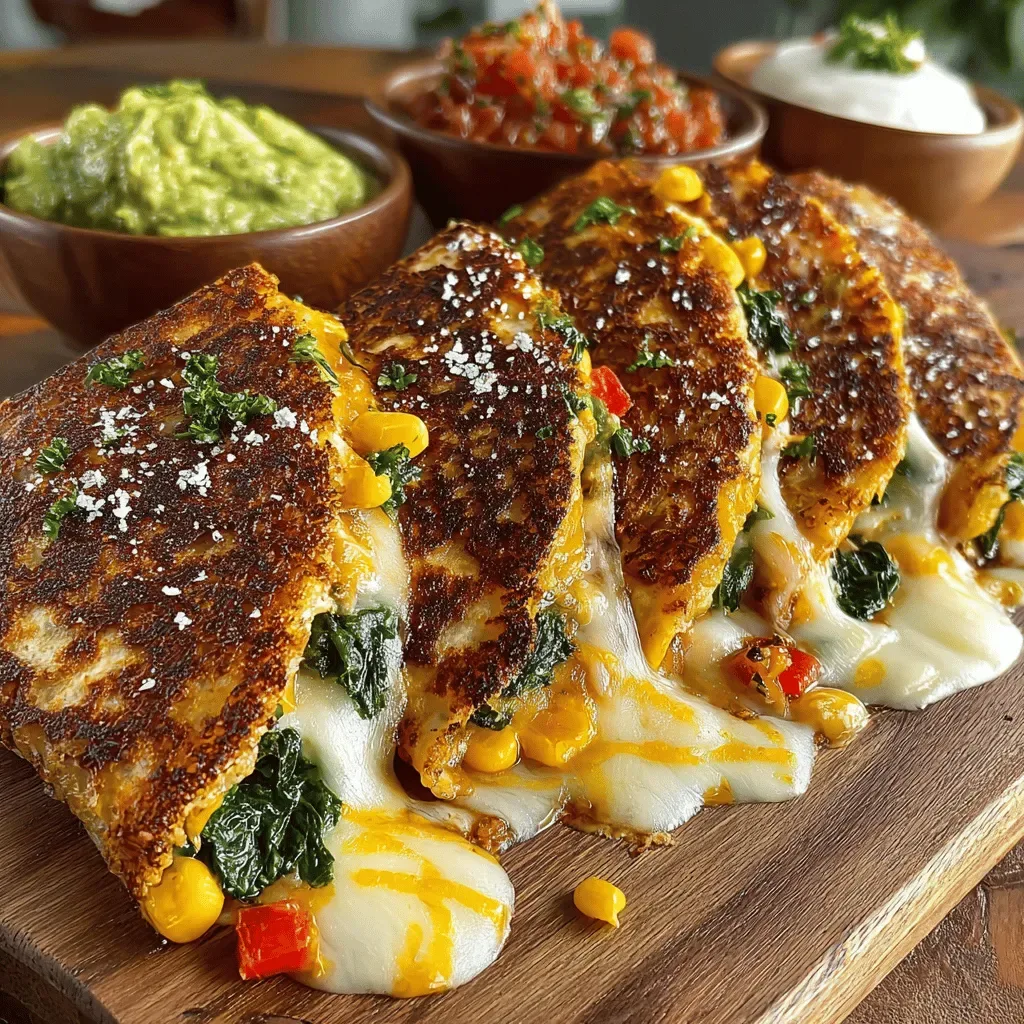
It was a crisp Saturday morning in early spring, the kind where the sunlight sneaks through the curtains and paints the kitchen countertops a warm, buttery gold. I was half‑asleep, the scent of fresh coffee already drifting from the pot, when I heard the faint sizzle of olive oil hitting a hot pan. The moment the lid lifted, a cloud of fragrant steam—peppery bell peppers, sweet onions, and a hint of melted cheese—filled the air, and I knew we were about to create something unforgettable. That simple, almost magical moment is why the breakfast frittata has become my go‑to comfort dish, a canvas that lets me paint with whatever vegetables are in season and still deliver a hearty, satisfying start to the day.
What makes this frittata truly special is its balance of airy eggs and a golden, caramelized crust that gives you that satisfying crunch on the outside while staying fluffy inside. The secret isn’t just in the technique; it’s in the love you pour into each step, from whisking the eggs until they’re slightly frothy to gently coaxing the vegetables to release their natural sweetness. Imagine the first bite: a burst of melted cheese, a whisper of herbs, and the comforting familiarity of a home‑cooked breakfast that feels both rustic and refined. Have you ever wondered why restaurant frittatas taste so much richer? The answer lies in a few simple tricks that I’m about to share—tricks that any home cook can master without a professional kitchen.
But wait, there’s more than just the basic recipe. I’m going to reveal a hidden ingredient that most people skip, a technique that guarantees a perfectly puffed center, and a quick tip for turning leftovers into a gourmet lunch. By the time you finish reading, you’ll not only have a reliable breakfast staple but also a toolbox of tricks to elevate any egg‑based dish you attempt. The best part? This frittata is incredibly adaptable—whether you’re feeding a family of five or prepping meals for the week, it scales beautifully and stays delicious.
Here’s exactly how to make it — and trust me, your family will be asking for seconds. Grab a skillet, gather your freshest veggies, and let’s dive into a step‑by‑step adventure that will leave your kitchen smelling like a brunch café and your taste buds cheering for more. Ready? Let’s get cracking!
🌟 Why This Recipe Works
- Flavor Depth: The combination of creamy cheese, sweet vegetables, and a pinch of salt creates layers of taste that develop as the frittata bakes, delivering a rich, satisfying bite every time.
- Texture Harmony: By sautéing the veggies first, you get a slight caramelization that adds a crisp edge, while the eggs stay light and fluffy, giving you that perfect contrast of soft and crunchy.
- Ease of Execution: This recipe requires only one pan, minimal prep, and a straightforward technique, making it ideal for busy mornings or lazy weekends when you still want something special.
- Time Efficiency: From prep to plate, you’re looking at under an hour, and most of that time is hands‑off while the oven does its magic, freeing you to enjoy a cup of coffee.
- Versatility: Swap in seasonal produce, change the cheese, or add a protein like ham or smoked salmon, and you have a brand‑new dish without rewriting the whole recipe.
- Nutrition Boost: Eggs provide high‑quality protein, while the vegetables add fiber, vitamins, and antioxidants, making this a balanced meal that fuels both body and mind.
- Ingredient Quality: Using fresh, high‑quality ingredients—especially the cheese and vegetables—elevates the entire dish, turning simple pantry staples into a gourmet experience.
- Crowd‑Pleasing Factor: Its bright colors, comforting aroma, and customizable nature make it a hit with kids, adults, vegetarians, and meat‑eaters alike.
🥗 Ingredients Breakdown
The Foundation: Eggs & Milk
Eggs are the heart of any frittata, providing structure, richness, and that unmistakable golden hue. Using six large eggs ensures a generous, satisfying portion while still allowing room for the vegetables to shine. I love to whisk them until they’re just a shade lighter, which signals that a little air has been incorporated—this is the secret to a light, airy interior. Milk, whether whole, almond, or skim, adds moisture and a subtle creaminess; half a cup is enough to keep the mixture supple without making it watery. If you’re watching calories, almond milk works beautifully, but the classic whole milk gives a silkier mouthfeel that’s hard to beat.
Aromatics & Spices: Veggies, Salt & Pepper
The vegetables are where the personality of the frittata truly emerges. Two cups of chopped veggies—think a rainbow of bell peppers, fresh spinach, sweet onions, and maybe a touch of zucchini—bring color, texture, and natural sweetness. Sauté them in olive oil until they’re just tender and starting to caramelize; this step unlocks their sugars and adds a deep, nutty aroma that fills the kitchen. A pinch of salt and a grind of fresh black pepper amplify every flavor, acting like a spotlight that makes each ingredient sing. If you’re adventurous, a dash of smoked paprika or a sprinkle of fresh herbs can add an extra layer of complexity.
The Secret Weapons: Cheese & Olive Oil
Cheese is the glue that binds everything together, melting into gooey pockets that melt in your mouth. One cup of shredded cheese—cheddar for sharpness, mozzarella for stretch, or feta for tang—adds richness and a beautiful golden crust. Choose a cheese that melts well and complements your vegetable choices; for a Mediterranean twist, feta paired with spinach works wonders. Olive oil, especially extra‑virgin, not only prevents sticking but also imparts a fruity, peppery note that elevates the overall flavor profile. A drizzle of oil at the beginning also helps the veggies develop that coveted caramelized edge.
Finishing Touches: Optional Extras
While the core ingredients already create a masterpiece, a few optional extras can turn a good frittata into an unforgettable one. Fresh herbs like basil, chives, or parsley, added just before serving, bring a burst of brightness and a fragrant finish. A sprinkle of red pepper flakes can introduce a gentle heat that balances the cheese’s richness. For those who love a smoky flavor, a handful of cooked, crumbled bacon or smoked sausage can be folded in after the veggies have softened. The beauty of this recipe is that you can experiment without fear—each addition layers new textures and tastes, making each brunch a fresh adventure.
With your ingredients prepped and ready, let's get cooking. Here's where the fun really begins...

🍳 Step-by-Step Instructions
Preheat your oven to 375°F (190°C) while you get the pan ready. Heat 1‑2 tablespoons of olive oil in a 10‑inch oven‑safe skillet over medium heat; you’ll hear a gentle sizzle as the oil warms, a sound that promises great flavor to come. Add the chopped vegetables, spreading them evenly, and let them sauté for about 5‑7 minutes, stirring occasionally until they’re softened and the edges start to turn a light golden brown. This is the moment when the kitchen fills with a sweet, earthy aroma that tells you the veggies are releasing their natural sugars. Once they’re ready, season with a pinch of salt and freshly cracked black pepper, then set the skillet aside for a moment while you whisk the eggs.
In a large mixing bowl, crack the six large eggs and pour in the half‑cup of milk. Whisk vigorously with a fork until the mixture lightens in color and you see a few tiny bubbles—this indicates that air has been incorporated, which is key for a fluffy interior. Add a pinch of salt and a generous grind of black pepper, then stir in the shredded cheese, reserving about a quarter cup for the top. The cheese should melt into the egg mixture, creating a golden, slightly thickened batter that clings to the vegetables once combined.
Return the sautéed vegetables to the skillet, spreading them out evenly to create a uniform layer. Pour the egg‑cheese mixture over the vegetables, using a spatula to coax the batter into the gaps and ensure every bite will have a perfect balance of egg and veg. As the edges begin to set, gently tilt the pan and lift the sides with a silicone spatula, allowing the uncooked liquid to flow underneath. This technique, often called “shaking the pan,” guarantees an even bake and prevents a soggy bottom.
Place the skillet in the preheated oven and bake for 12‑15 minutes, or until the edges are set and the top begins to turn a light golden hue. Around the ten‑minute mark, peek through the oven window—if you see the center still a little wobbly, that’s perfectly fine; the residual heat will finish the cooking once you remove it. About two minutes before the timer goes off, sprinkle the reserved cheese on top; this will melt into a bubbling, slightly crisp crown that adds both visual appeal and a delightful crunch.
When the frittata is golden and the cheese has formed a light crust, carefully remove the skillet from the oven using oven mitts—watch out for that hot handle! Let it rest on the counter for 3‑5 minutes; this short rest allows the residual heat to finish setting the center while the flavors meld together. While it rests, the aroma will intensify, making the kitchen feel like a cozy café at sunrise.
Slide a wide spatula around the edges to loosen the frittata, then gently invert the skillet onto a large serving plate. The frittata should release with a satisfying “whoosh,” revealing a perfectly browned top and a vibrant interior speckled with colorful vegetables. If any stubborn bits cling to the pan, a quick tap with the spatula will free them without breaking the structure.
Slice the frittata into wedges—four for a family of four, or six for a brunch gathering. Serve immediately, perhaps with a side of fresh fruit, a dollop of Greek yogurt, or a simple arugula salad dressed with lemon juice. The first bite will be a symphony of textures: the crisp crust, the creamy interior, the burst of melted cheese, and the sweet‑savory vegetables all dancing together. Go ahead, take a taste — you’ll know exactly when it’s right.
And there you have it! But before you dig in, let me share some tips that will take this from great to absolutely unforgettable...
🔐 Expert Tips for Perfect Results
The Taste Test Trick
Before you commit the whole mixture to the oven, take a tiny spoonful of the raw egg‑veg blend and taste it. This quick check lets you adjust seasoning—add a pinch more salt, a dash of pepper, or even a splash of hot sauce if you like a kick. I once under‑seasoned a batch and learned that a tiny adjustment at this stage can make the difference between “good” and “wow!”
Why Resting Time Matters More Than You Think
Allowing the frittata to rest for a few minutes after baking isn’t just about cooling; it gives the proteins time to finish setting and the flavors a chance to marry. This rest period also makes slicing cleaner, preventing the wedges from crumbling. Trust me on this one: the extra five minutes are worth every second of anticipation.
The Seasoning Secret Pros Won’t Tell You
A dash of smoked paprika or a pinch of nutmeg added to the egg mixture adds an under‑current of flavor that’s subtle but unforgettable. I discovered this trick while working in a small café; the chef swore by it for all his egg dishes. Try it once, and you’ll notice that the frittata has a depth that plain salt and pepper alone can’t achieve.
Choosing the Right Pan
A heavy‑bottom, oven‑safe skillet (cast iron or stainless steel) distributes heat evenly, preventing hot spots that can cause uneven browning. If you use a thin non‑stick pan, the bottom may brown too quickly while the top remains undercooked. Investing in a good skillet is a long‑term win for all your brunch endeavors.
The “Steam‑Release” Technique
When you first pour the egg mixture into the pan, you’ll notice steam escaping from the edges. Gently tap the pan on the counter a couple of times to release this steam; it prevents the frittata from becoming soggy and helps the top set faster. I once ignored this step and ended up with a slightly rubbery texture—lesson learned.
🌈 Delicious Variations to Try
One of my favorite things about this recipe is how versatile it is. Here are some twists I've tried and loved:
Mediterranean Sunrise
Swap the cheddar for feta cheese, add sun‑dried tomatoes, and fold in a handful of Kalamata olives. The salty, tangy notes create a bright, Mediterranean‑inspired breakfast that pairs perfectly with a side of tzatziki.
Spicy Southwest
Replace the bell peppers with roasted poblano peppers, stir in black beans, and sprinkle a teaspoon of cumin and chili powder into the egg mixture. Top with avocado slices after baking for a creamy, spicy kick that will awaken your palate.
Herb‑Infused Garden
Add fresh herbs like thyme, rosemary, and chives to the vegetables while sautéing, and use a blend of mozzarella and Gruyère for a melty, aromatic finish. The herbaceous fragrance makes this variation feel like a spring garden on a plate.
Cheesy Bacon Delight
Crisp up some bacon strips, crumble them, and fold them into the egg mixture along with sharp cheddar. The smoky, salty bacon pieces add a satisfying crunch that turns this into a hearty brunch centerpiece.
Vegan Twist
Replace the eggs with a tofu scramble seasoned with turmeric and nutritional yeast, use plant‑based milk, and swap cheese for vegan cheddar. The texture mimics a traditional frittata, and the flavors remain rich and comforting.
Sweet Morning Bliss
For a sweet spin, omit the cheese and add thinly sliced apples, a drizzle of maple syrup, and a pinch of cinnamon to the egg mixture. The result is a sweet‑savory frittata that pairs wonderfully with a dollop of whipped ricotta.
📦 Storage & Reheating Tips
Refrigerator Storage
Allow the frittata to cool completely, then slice it into wedges and store them in an airtight container. It will keep fresh for up to three days in the fridge. When you’re ready to eat, simply reheat a slice in a skillet over medium heat, adding a splash of milk or water to keep it moist.
Freezing Instructions
If you want to make a batch for the week, wrap individual slices tightly in plastic wrap, then place them in a freezer‑safe bag. The frittata freezes well for up to two months. To reheat, thaw overnight in the fridge, then pop it in a preheated oven at 350°F (175°C) for about 10 minutes, or until heated through.
Reheating Methods
The trick to reheating without drying it out? A splash of milk or a drizzle of olive oil in a hot skillet, covered with a lid for a minute, creates steam that revives the fluffy interior while keeping the crust crisp. Alternatively, the microwave works in a pinch—heat for 30‑45 seconds, then finish under the broiler for a quick crisp.